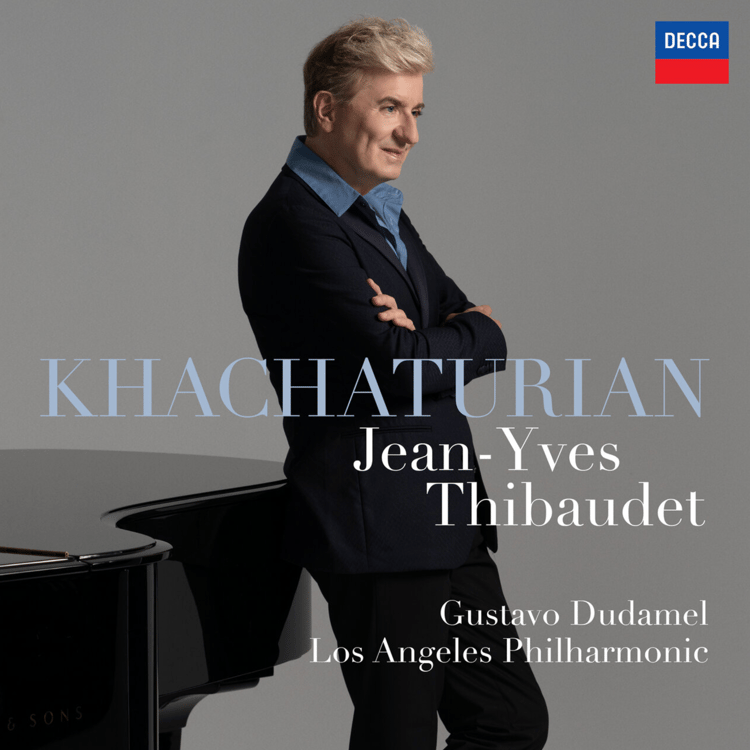
Welcome to this month’s Classical Choices. Our playlist this month features the debut solo album from violist Timothy Ridout, a programme of modern-day works for Church of England’s sung services from vocal ensemble Signo de Oro, and a new recording of Aram Khachaturian’s rarely performed Piano Concerto in D flat from Jean-Yves Thibaudet and the Los Angeles Philharmonic. First up, however, is our archive opener: a 1992 recording from the The Tallis Scholars of Thomas Tallis’s In manus tuas, which inspired Caroline Shaw’s 2009 solo cello work of the same name (a piece which features on the aforementioned album from Ridout).
From there, it’s on to our new releases, with sacred English choral works, and a glittering slice of Russian Romanticism…
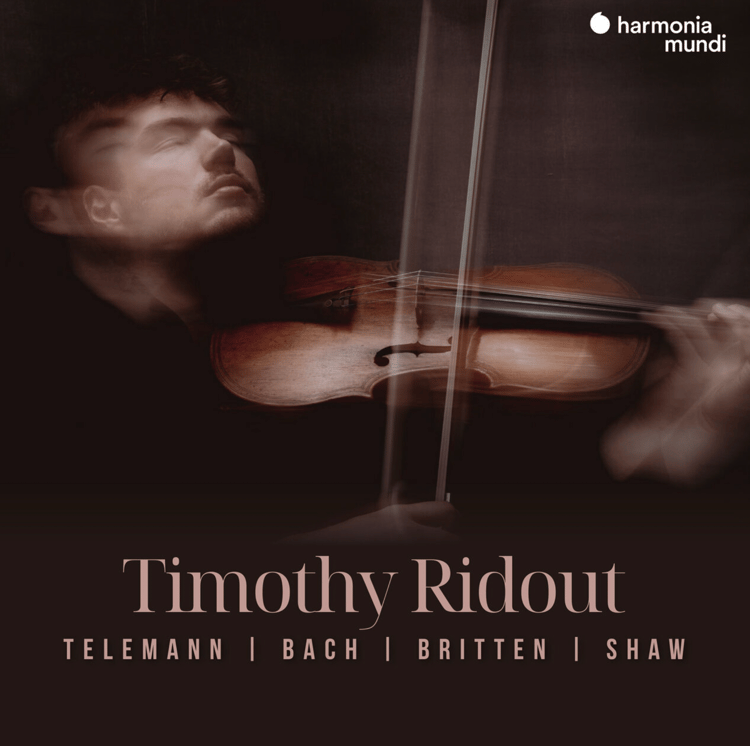
Telemann - Bach - Britten - Shaw
Timothy Ridout
It’s easy to forget that British violist Timothy Ridout is still under 30, given the number of acclaimed recordings he has released. His latest project spotlights his wonderfully rich, dynamic and sparklingly alive sound, as well as his architecturally compelling, multicoloured interpretations. It is his first unaccompanied solo album, and is based on a solo recital he performed as part of his Wigmore Hall residency in 2023.
The programme alternates between baroque and more modern works, and brings together transcriptions of two of Telemann’s solo violin fantasias (No 1 in B flat and No 7 in E flat); Caroline Shaw’s In manus tuas, written in 2009 for solo cello but since performed by Shaw herself on the viola; the solo viola Elegy Britten wrote aged 16 in 1930; and finally JS Bach’s Partita No 2 in D minor with its famous concluding Chaconne.
It’s a harmonious assembly of works. The Shaw looks back even in its modern language, and Ridout himself has commented how well the baroque violin works transfer onto the viola with its deeper sonority (these are straight transferrals, played exactly as they would be on the violin, and thus sounding five notes below the originals). The acoustic of St Silas Church in Kentish Town works as a sympathetic partner, and all this combined makes for an atmosphere-laden, multifaceted beauty of an album. I’ve given you the Shaw and the JS Bach for the playlist.
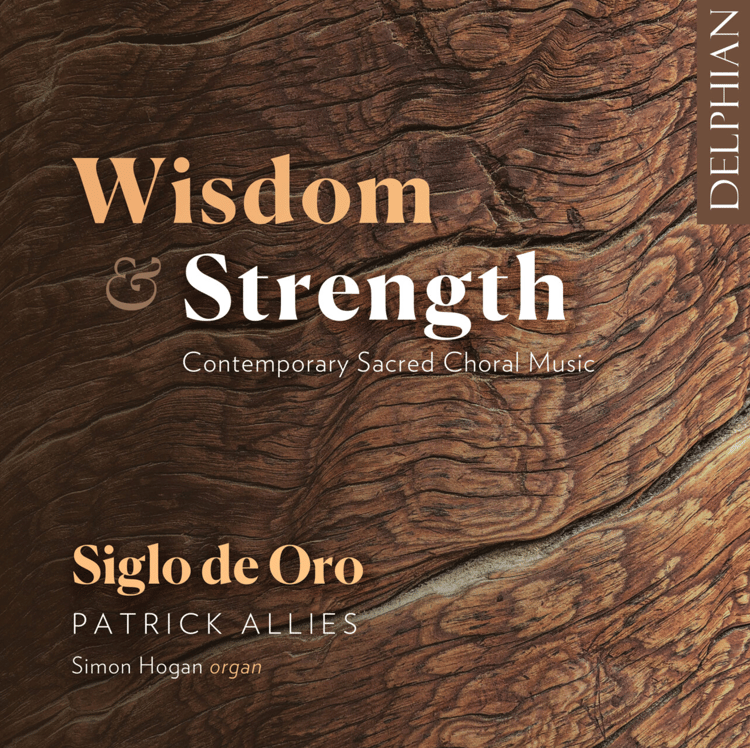
Wisdom & Strength: Contemporary Sacred Choral Music
Siglo de Oro, Patrick Allies, Simon Hogan
Delphian
British vocal ensemble Siglo de Oro has had considerable critical success in the recording studio since making its professional debut at the 2014 Spitalfields Festival. Wisdom and Strength, a contemporary-flavoured celebration of the Church of England’s choral liturgy atmospherically recorded in Waltham Abbey, demonstrates why.
The programme features recently written music of the centuries-old English sacred choral tradition, and takes listeners through an imaginary Sunday of liturgical music, progressing from morning Eucharist through to Choral Evensong, while simultaneously progressing through part of the Church year: from Lent to Easter, through Ascension and Pentecost, to Trinity Sunday.
In doing so, Allies and the choir fabulously showcase the range and quality of voices currently writing for the Church of England.
The programme begins with two motets associated with the office of Night Prayer or Compline (the night before the Sunday itself): first, the tonal-with-faintly-jazzy-scrunches Media vita (‘In the midst of life we are in death’) which the choir commissioned from Kerensa Briggs (b. 1991) in 2015 for a project commemorating the 500th anniversary of the birth of Tudor composer John Sheppard – beginning low of tessitura, signifying humanity struggling under the weight of sin, then rising up to a climax as the prayer asks for God’s saving grace; then second, Judith Ward’s (b. 1967) slightly faster-moving, plainchant-inspired In manus tuus (‘Lord into your hands I commit your spirit’).
Another Siglo de Oro commission is Marisse Cato’s ear-catching Flamed Tongue, its title referring to the flames seen on the Apostles at Pentecost as the Holy Spirit descended onto them in wind and flames, bestowing the gift of tongues on them – depicted here via flickering-tongued vocal figures, rapid dynamic swells, contrasts and pulsing syncopations.
These vocal virtuosities are dispatched with agile, clean-contoured clarity and atmosphere by the Siglo de Oro singers, and across the album’s journey, their golden-toned brightness, clear diction, ensemble blend and depiction of their texts’ emotional worlds brings pleasure after pleasure. My selection for the playlist concludes with the Cato.
Khachaturian
Jean-Yves Thibaudet, Los Angeles Philharmonic/Dudamel
Decca
Composed in 1936, the Piano Concerto in D flat by Georgian-born Armenian composer Aram Khachaturian is a rare sight on concert programmes, despite the fame of his Adagio from Spartacus and his Sabre Dance. Perhaps it’s because people can be dismissive of its unashamedly crowd-pleasing language – a highly melodic, bolshy, virtuoso, Eastern-flecked Russian Romanticism, complete with ethereally floating musical saw in the central slow movement. Or perhaps it’s because this isn’t a piece that comes together easily (a particular challenge if rehearsal time is limited).
Jean-Yves Thibaudet’s new recording of it fulfils a 20-year-long dream. While 20 years is a long time to wait, it presents as near-ideal conditions as a pianist is likely to encounter in this day and age, recorded live with the Los Angeles Philharmonic and Gustavo Dudamel, an orchestra and conductor with whom he has a long and deep relationship. You feel that relationship in this reading, as well as Thibaudet’s relationship with the music itself. Flamboyant, technically superb poet and jazz man that he is, he’s a perfect fit for its crisply rhythmic, fever-pitch Romanticism with all its exotic inflections; and the live performance aspect certainly delivers concert-level excitement.
The solo piano, studio-recorded remainder of the disc is no less satisfying. Who could have imagined that the braely-known Pictures of Childhood suite of character pieces, more neo-classical in flavour, could have come from the same pen? Thibaudet’s own richly textured transcription of the Spartacus Adagio, meanwhile, serves as an excellent opener, both for the rich, beautiful complexity of Thibaudet’s writing, and his tender expression and elegant voicing of its interwoven lines. I’ve therefore given you the Adagio and the Piano Concerto to conclude this month’s selection.